investingLive Asia-Pacific market news: Fed hike bets ripple through Asia
- Asian stocks steady as Nikkei gains 1.4%, Hang Seng slips on Nvidia leadership fallout
- Bitcoin dipped under $70K, first time since August
- Iran’s Guards claim strike on US radar in Bahrain, warn firms over Hormuz oil trade
- Anthropic IPO six times oversubscribed: what retail investors can realistically expect
- Airlines face higher fuel bills as pre-war hedges expire and jet fuel holds near $150
- SMIC co-CEO sees 2026 revenue topping $12 billion as AI demand stretches chip upcycle
- Gold set for $3.3bn of index fund buying in January as rebalancing flips in its favour
- ByteDance plans $6bn share buyback at about $400 billion valuation, up 20% in a year
- PBOC sets USD/ CNY reference rate for today at 6.7152 (vs. estimate at 6.6756)
- Japan’s Katayama warns of one-sided yen moves near 160, will coordinate with US Treasury
- Barclays sees oil risks skewed higher with Middle East flows still 15% below pre-war
- Fed’s Williams says inflation stubbornly high and Fed still has work to do on policy
- US Treasury bought yen in July, its first intervention since 1998, as yen nears 160 again
- BlackRock sees gold support intact despite near 30% drop from record, expects milder gains
- UBS sees no RBA cuts until late 2027 as AI boom fuels inflation, growth slowing to 1.4%
- Anthropic IPO targets around $1 trillion valuation, half the $2 trillion once whispered
- Goldman sees AI spending hitting $1.4 trillion by end-2027, nearly 4% of the US economy
- NZ manufacturing PMI eases to 54.9 in October but extends expansion run to 16 months
- Cerebras raises 2026 outlook, sees revenue tripling in 2027 as $26bn backlog builds
- Applied Materials beats on Q4 and guides above forecasts as chip equipment demand holds
- Cisco beats and lifts FY27 view as AI revenue from hyperscalers set to more than double
- investingLive Americas market news wrap: Jensen Huang ousted from Nvidia
Summary:
- Japan’s 10-year bond yield rose about 7 basis points to around 2.87% as JGBs followed Treasuries lower on bets on more Fed hikes
- New York Fed President Williams said inflation is stubbornly high and the Fed still has work to do
- The yen traded near 160 per dollar, and Finance Minister Katayama warned of one-sided moves and said she would keep in contact with the US Treasury
- The Kospi reversed an early 2% gain and turned lower, the Nikkei pared its rise and the Hang Seng fell about 1%
- Bitcoin fell more than 6% to below $69,000 amid continued ETF outflows
- Brent held near $96 despite an unverified Iranian claim of a strike on a US radar in Bahrain, while gold rose close to 1%
Rising bets on further Federal Reserve rate hikes spread through Asian markets on Friday. Japanese government bonds slumped, the yen stayed close to 160 per dollar and bitcoin fell below $69,000. Regional stocks gave back much of an early rebound, as concern over Nvidia’s leadership change continued to weigh on AI-linked shares.
Fed and rates
Japan’s 10-year yield rose about 7 basis points to around 2.87%, at the day’s high. JGBs followed US Treasuries, which posted a second straight session of losses as traders added to bets on more forceful Fed tightening. The US 10-year yield traded near 5.13%. New York Fed President John Williams said overnight that inflation remains stubbornly high and that the Fed will need to act over time to bring it back to 2%. He described the US economy as getting stronger but not overheating. His remarks followed this week’s hotter-than-expected October consumer price data, after which markets priced a high probability of a quarter-point hike at the Fed’s 9 December decision, along with an outside chance of a half-point move.
Yen and Japan
Dollar-yen traded near 159.90. Finance Minister Satsuki Katayama said she is seeing one-sided, rapid currency moves and will communicate with the US Treasury to respond appropriately, adding that the two countries set out a shared stance on currencies at their summit. She declined to comment on intervention. Her remarks came after the New York Fed confirmed that the US Treasury bought yen in July, its first yen-buying intervention since 1998, alongside Japan’s own intervention. Katayama also said the government will bring forward winter subsidies for utility bills to ease energy costs for households.
Oil and geopolitics
Brent traded near $95.70 and WTI near $88.40, both slightly lower. That was despite a claim by Iran’s Revolutionary Guards that they destroyed a US early-warning radar in Bahrain in response to an attack on a telecommunications tower in Sirik. The claim could not be independently verified, and there was no immediate US comment. The Guards also warned companies working with the US over oil shipments through the Strait of Hormuz. Barclays said the market is too relaxed about the risks, with Middle East flows still around 85% of pre-war levels and inventories outside China depressed. Goldman Sachs also said risks to its oil forecast are skewed to the upside. Airlines are feeling the pressure as fuel hedges struck before the war expire, with jet fuel near $148 a barrel.
Asian equities
The Nikkei 225 was up about 0.8% near 61,300 in afternoon trade, down from a gain of about 1.4% at midday. The Topix rose about 0.3%. The Kospi reversed an early 2% advance to trade about 0.7% lower near 5,300, with SK Hynix down more than 2% and Samsung Electronics off about 0.6%. The Kosdaq held a gain of about 1.5%. Hong Kong’s Hang Seng fell about 1% to near 23,770, while the Shanghai Composite edged up about 0.2%.
Jensen Huang’s resignation as Nvidia chief executive remained the main drag on AI names. Nvidia shares fell about 3% in extended US trading, and South Korea’s Naver also slipped. Citi said investors may look to AMD, Arista and Broadcom as alternatives. In China, SMIC reported record third-quarter revenue of about $3.19 billion and more than doubled its profit. Its co-chief executive said full-year revenue should top $12 billion, but warned that tight supplies of chipmaking equipment could disrupt capital spending.
AI and tech
Earnings continued to support the AI spending story. Cisco beat forecasts and raised its full-year outlook on AI networking demand from hyperscalers. Applied Materials guided above consensus, and Cerebras reported record revenue and a backlog of around $26 billion. Goldman Sachs forecast that annualised AI-related spending will reach $1.4 trillion by the end of 2027, nearly 4% of the US economy. ByteDance plans a share buyback valuing it at about $400 billion, according to a report.
Gold and crypto
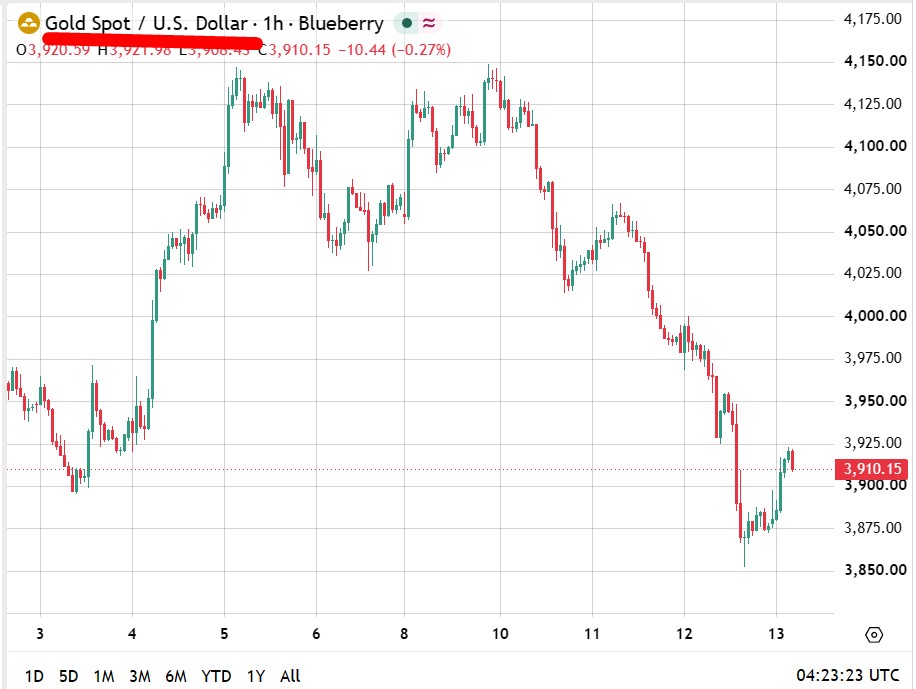
Gold rose about 0.7% to near $3,914 and silver traded around $50. BlackRock described the outlook for gold as more balanced, with central bank buying offsetting pressure from higher real yields and a firm dollar. Société Générale expects January’s commodity index rebalancing to add about $3.3 billion of net buying in gold futures. Bitcoin dropped more than 6% to below $69,000, as US spot bitcoin ETFs extended a run of outflows that has taken November’s withdrawals to close to $2 billion.
Australia and New Zealand
The Australian dollar traded near 0.6800 and the New Zealand dollar near 0.5540. The yield advantage that Australian 10-year bonds held over Treasuries earlier in the year has disappeared, with the Fed leaning toward hikes and the RBA appearing to be on hold. UBS expects the RBA to keep policy restrictive, with no rate cuts before late 2027. In New Zealand, the manufacturing PMI eased to 54.9 in October but marked a 16th straight month of expansion.
Coming up
Anthropic is due to price its IPO on 18 November, with Nasdaq trading set to begin the following day. The deal is reported to be about six times oversubscribed.